The Thoir 76 Distinction
Thoir 76 combines transport planning, analytics and delivery expertise to create practical, data-driven solutions for complex mobility and infrastructure challenges.
Whether supporting a large city, industrial hub, small town or urban and peri-urban community, our approach is grounded in operational understanding, measurable outcomes and real-world delivery experience.
Active Mobility & Non-Motorised Transport
Successful mobility systems are built around how people move, connect and access opportunity.
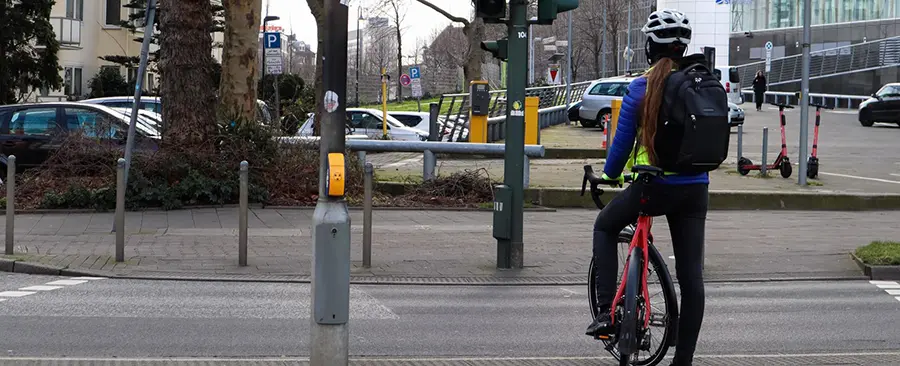
We provide planning, design and modelling services for Active Mobility and Non-Motorised Transport (NMT) systems, integrating walking, cycling and pedestrian infrastructure into broader transport networks. Through movement analysis and accessibility planning, we create practical mobility solutions that improve connectivity, support public transport and promote more sustainable urban environments.
Our key focus areas include:

Data Analytics & Decision Support
Data only creates value when it can inform confident and defendable decision-making.
We combine advanced modelling, transport analytics and operational insight to transform complex transport and infrastructure data into clear, actionable intelligence. By bridging the gap between technical analysis and practical delivery, we help clients evaluate options, understand impacts and make evidence-based decisions with confidence.
Key Capabilities:

Sustainability & Integrated Urban Solutions
Successful urban environments are created when transport, land use, infrastructure and economic activity work together.
Through our Integrated Urban Solutions approach, we help clients align mobility, development and operational objectives to create practical, sustainable outcomes that support long-term project value and urban resilience.
Transport Planning
Transport planning must respond to today’s operational realities while preparing for future growth and demand.
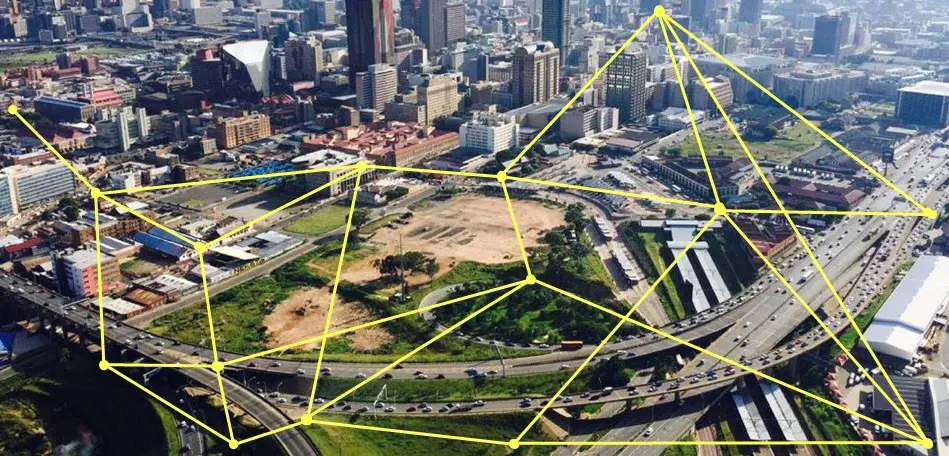
We provide integrated transport planning and traffic engineering solutions that combine mobility analysis, infrastructure integration and operational insight to create efficient, accessible and sustainable transport networks that support long-term development objectives.
Public Transport
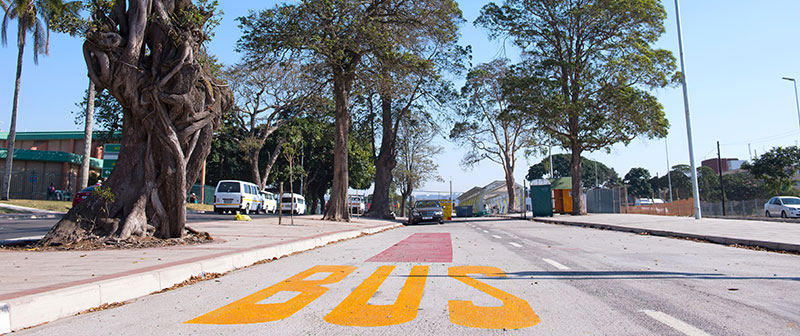
Public transport plays a critical role in connecting people, places and economic opportunity.
We design integrated public transport systems that align routes, modes and service levels with passenger demand and urban development goals, supporting accessible, efficient and sustainable mobility solutions.
Key Focus Areas:
Public Transport Infrastructure Design
Effective public transport infrastructure improves connectivity, accessibility and the passenger experience.
We support the planning and design of intermodal facilities, transport interchanges, depots, ranking and holding facilities, pedestrian integration and transport corridors, combining operational insight with movement analysis to create efficient and integrated transport environments.
Our expertise include:
- Intermodal interchange planning and design
- Public transport depots and operational facilities
- Ranking and holding facility design
- Public transport corridor planning
- Pedestrian movement and accessibility integration
- Geometric and corridor layout planning
- Transit mall and mobility corridor planning
Public Transport Contracts and Contract Operational Data
Effective public transport contracts are built on reliable data, measurable performance and operational clarity.
Through operational planning, transport analytics and performance reporting, we help clients develop contract frameworks and operational datasets that support effective service delivery, accountability and defendable decision-making.
Our expertise include:
- Public transport operational planning
- Operational contract support
- Route and fleet analysis
- Origin and destination analysis
- Passenger and operational kilometre reporting
- Operational performance analytics
- Service and route profiling
- Transport operations data management
Public Transport Operational Implementation
Successful transport systems depend on more than good planning, they require effective implementation, stakeholder alignment and operational readiness.
We help clients transition transport strategies into functioning systems by supporting implementation planning, stakeholder engagement and operational coordination. Our approach ensures that transport solutions move successfully from concept to delivery while remaining aligned with operational realities and project objectives.
Our expertise include:
- Public transport implementation support
- Stakeholder and operator engagement
- Operational transition planning
- Taxi industry engagement and integration
- Transport system activation support
- Public transport operational coordination
Fare Strategies & Revenue Planning
Public transport fares are one of the most powerful drivers of system sustainability, accessibility and revenue performance.
Using data-driven analytics, scenario modelling and revenue forecasting, we help clients test and evaluate fare structures against local operational and socio-economic realities, supporting evidence-based decisions that balance affordability, fare recovery and long-term network viability.
Our expertise include:
- Fare strategy development
- Revenue modelling and analysis
- Fare scenario testing
- Fare recovery optimisation
- Transport affordability assessment
- Revenue forecasting and reporting
- Data-driven fare planning
Infrastructure Implementation
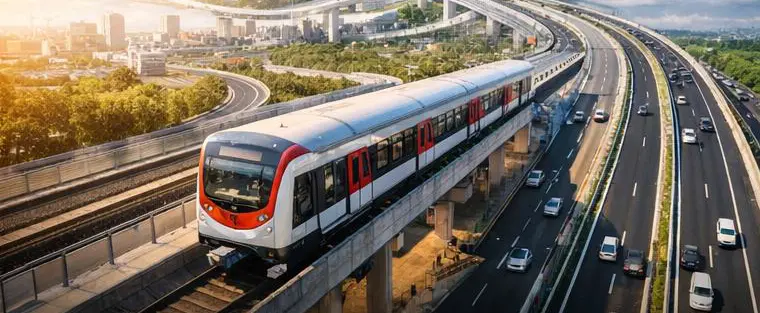
Infrastructure implementation depends on effective coordination between planning, delivery and operational realities.
We support complex transport and infrastructure programmes through governance, reporting and delivery oversight, helping clients improve accountability, manage risk and maintain visibility across multiple projects, stakeholders and implementation stages.
Key Focus Areas:
Traffic Engineering
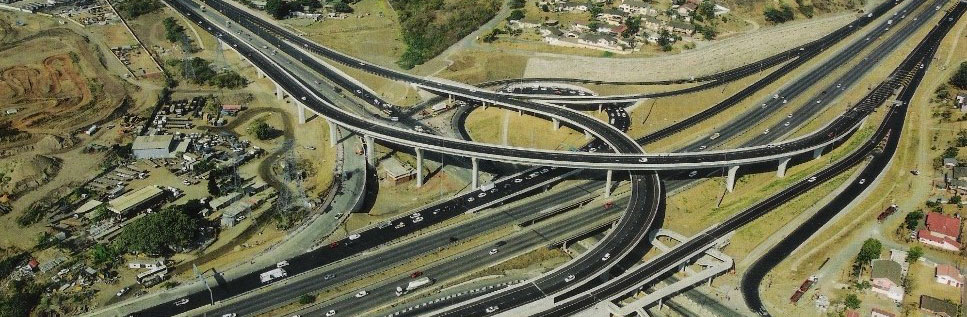
Understanding how transport networks perform today is essential to planning for tomorrow.
We deliver data-driven traffic engineering solutions using traffic analytics, modelling, simulation and operational assessment to optimise network performance and inform infrastructure planning. From complex intersections and interchanges to freight, logistics and public transport environments, we help clients develop practical solutions that support efficient movement and future growth.
Key Focus Areas:

Traffic Safety & Risk Informed Planning
Safe transport systems are built on a clear understanding of how people move, behave and interact with infrastructure.
We integrate safety and risk-informed planning into transport systems, streets, stations and urban precincts, using movement analysis, flow modelling and operational assessment to identify risk, improve accessibility and support safer, more resilient transport environments.
Key Focus Areas

Project Management & Reporting
Effective project delivery depends on visibility, accountability and informed decision-making.
We complement our transport and infrastructure expertise with project management, reporting and delivery support capabilities that help clients monitor performance, manage risk and maintain confidence throughout the project lifecycle.
Key Focus Areas: